Small resets for everyday life.
Inspired by nature.

Why moving more can help kids learn better
Many parents feel stuck watching their child struggle with homework. This research shows that physical activity outside school can help the brain and learning in real ways. This study looked at how extracurricular physical activity—like sports or play outside school—relates to academic performance and overall well-being in students aged 3 to 16.
PSYCHOLOGY INSIGHTS
12/14/20252 min read

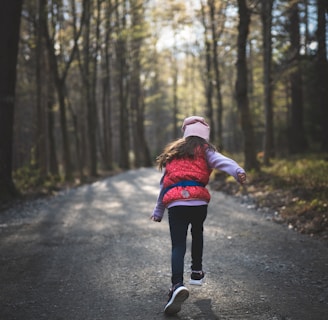
The role of physical activity in school success
1. What the Study Looked At
The researchers gathered many studies that looked at how extracurricular physical activity (PA)—which means movement or exercise outside regular school classes—affects children’s school performance and development. They included studies with children from about age 3 up to 16. Instead of one experiment, this was a systematic review, meaning it combined results from many studies to see the bigger picture.
2. What They Found
They found that children who take part in physical activity outside class tend to show better academic performance and other important benefits. But the link is not just simple. The way activity helps learning seems to be connected to:
Better brain functions such as attention, memory, and self-control
Higher confidence and psychological well-being
Positive social effects, like teamwork and good sleep patterns
Healthier lifestyle habits that support learning
These factors together help explain why kids who move more tend to do better in school—not just because they are active, but because the activity improves things like focus, mood, and sleep.
3. What This Means for Everyday Life
For parents, this means that encouraging physical activity isn’t just good for the body—it helps the brain get ready to learn. Many parents think that study time must be quiet and still. But the research suggests that kids may actually be more ready to focus after their body has moved and their energy has been used in a positive way. Whether it’s a short walk, a sport, running around in the park, or playtime outside, these moments can support children’s school success.
4. Why This Matters for Parents
When a child does not want to sit and study, it may not be laziness or lack of willpower. Their brain may simply need a break and movement to reset. Physical activity can help children:
Clear their mind
Reduce stress
Improve attention and memory
Sleep better at night
All of these support learning, especially on study days that feel hard. Thinking of movement as part of learning—rather than a distraction—can change how parents and children approach homework and school tasks.
Reference
Zarazaga-Peláez, J., Barrachina, V., Gutiérrez-Logroño, A., Villanueva-Guerrero, O., Roso-Moliner, A., & Mainer-Pardos, E. (2024). Impact of Extracurricular Physical Activity on Achievement of the Sustainable Development Goals and Academic Performance: Mediating Cognitive, Psychological, and Social Factors. Sustainability, 16(16), 7238. https://doi.org/10.3390/su16167238 MDPI
Pause. Breathe. Reset.
© 2026 My10Min · Based in Switzerland
my10min@gmail.com